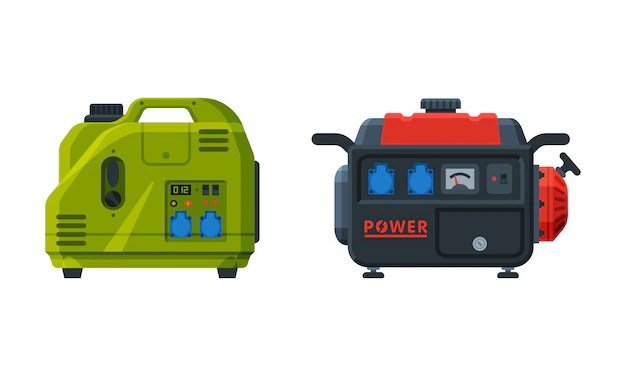
When the lights go out, or a remote job site needs juice, few pieces of equipment become as vital as a generator. But "generator" isn't a single item; it's a vast world of Generator Types & Technology, each engineered for specific tasks, environments, and power demands. From powering a delicate medical device in a hospital to keeping your RV air conditioner humming in the wilderness, understanding these nuances isn't just about technical jargon – it's about making smart, reliable choices for your home, business, or adventure.
Let's cut through the noise (pun intended) and explore the diverse world of generators, ensuring you're equipped with the knowledge to make an informed decision.
At a Glance: Your Generator Cheat Sheet
- Generators convert mechanical energy into electrical energy using various fuels or renewable sources.
- Main Types: Portable (conventional & inverter), Standby, Dual-Fuel, Solar, and Hydrogen.
- Fuel Matters: Gasoline, diesel, propane, natural gas, and even hydrogen all have unique pros and cons.
- Power Output Varies: From small, portable units (1,000 watts) for sensitive electronics to industrial giants (40,000+ watts) for entire facilities.
- Single-Phase vs. Three-Phase: Crucial distinction for residential vs. heavy industrial applications.
- Emissions are Key: EPA Tier standards (Tier 1, 3, 4) dictate environmental compliance.
- Choosing is Personal: Your best generator depends on specific power needs, noise tolerance, portability requirements, and budget.
What Powers Your World? The Core of Generator Technology
At its heart, a generator is a mechanical marvel designed to give you electrical independence. It doesn't create electricity; rather, it converts existing mechanical or motive energy into electrical energy. Think of it as an energy transformer. This fundamental principle remains constant, whether you're looking at a small unit for camping or a sprawling setup for a factory.
The conversion typically happens through a process called electromagnetic induction. A rotating engine (powered by fuel) spins a rotor with electromagnets inside a stationary coil (stator). This rotation induces an electric current in the coils, which is then channeled out as usable power. This incredible dance of physics is what brings light and power to our lives when the grid falls silent or isn't even present.
Generators primarily deliver either Alternating Current (AC) or Direct Current (DC).
- AC generators are the workhorses for powering grids and most households, providing the familiar fluctuating current that runs everything from your toaster to your HVAC system.
- DC generators, historically known as dynamos, produce a steady, one-directional current. While less common for general household use today, they're still vital in specialized industrial applications or for charging batteries.
Your Essential Guide to Generator Types
The generator market offers a surprisingly broad spectrum of options. Understanding the core types is your first step toward finding the perfect fit for your power needs.
1. The Versatile Workhorses: Conventional Portable Generators
When you picture a generator, you're likely imagining a conventional portable model. These are the rugged, go-anywhere units that often save the day during a blackout or power outdoor events.
What They Are: These generators typically use an alternator to convert the rotary motion of an engine (powered by gasoline, diesel, or propane) into electrical current via electromagnetic induction. They come in various sizes and power outputs, ranging from a few thousand watts for basic home backup to powerful units exceeding 5,000 watts for construction sites.
How They Work: Fuel combusts in an engine, driving a crankshaft that spins a rotor. This rotor, equipped with electromagnets, rotates within a stator coil, inducing an electric current. The output can be either 230Vac (single-phase) or 400Vac (three-phase), depending on the model and intended use.
The Upsides:
- Portable: As the name suggests, they're designed for mobility, though larger units can be quite heavy.
- Fuel Versatility: Many run on common petroleum fuels, making them easy to refuel.
- Cost-Effective: Generally less expensive to acquire than standby or solar generators.
- Stable Power: Provide consistent power for a wide range of appliances and tools.
The Downsides: - Noise: They can be quite loud, which might be a concern in residential areas or quiet outdoor settings.
- Emissions: Produce exhaust fumes and carbon emissions, making them unsuitable for indoor use without proper ventilation.
- Fuel Storage: Require careful storage of flammable fuels.
Common Uses: These generators are staples for home backup during emergencies, keeping essential appliances running. They're also popular for RVing, camping trips, boating adventures, and providing power on construction sites or for commercial applications where grid power isn't available.
Fuel of Choice: Primarily gasoline, propane, or diesel.
2. Smart Power for Sensitive Electronics: Inverter Generators
If you've ever worried about your smartphone, laptop, or flat-screen TV getting fried by "dirty power," an inverter generator is your peace of mind. These units are designed with sensitivity in mind.
What They Are: Inverter generators are celebrated for their ultra-quiet operation, compact size, and ability to produce "clean power." They use advanced electronics to create a pure sine wave output, which is crucial for sensitive electrical devices that can be damaged by voltage fluctuations.
How They Work: Unlike conventional generators that directly output power from the alternator, inverter generators first convert the raw AC power generated by the engine into DC power. This DC power is then "inverted" back into a much cleaner, stable AC power signal. This multi-step process smooths out voltage fluctuations and delivers a consistent, high-quality power output. Many also feature an "eco mode" to reduce engine speed when demand is low, saving fuel and further reducing noise.
The Upsides:
- Quiet Operation: Typically run at 50-55 dB, some even quieter, making them ideal for noise-sensitive environments.
- Clean Power: Provide a pure sine wave output, perfectly safe for laptops, smartphones, medical equipment, and other delicate electronics.
- Lightweight & Portable: Often significantly lighter and more compact than conventional models, making them easy to transport.
- Fuel Efficient: Eco modes help conserve fuel, leading to longer run times.
- Eco-Friendly: Many are CARB compliant and EPA approved, producing lower emissions than traditional portable units.
The Downsides: - Less Powerful: Generally offer lower wattages (1,000 to 8,000 watts) compared to larger conventional or standby generators, limiting their use for whole-house backup.
- Higher Cost: The advanced technology usually translates to a higher upfront price.
Common Uses: The go-to for camping, tailgating, RVing, and providing backup power for specific sensitive devices at home. They're also excellent for powering tools and electronics on small job sites.
Fuel of Choice: Commonly gasoline and propane.
3. Uninterrupted Flow: Standby Generators
For those who simply can't afford to lose power – be it a critical medical device at home or continuous operation in a hospital – standby generators are the ultimate solution.
What They Are: Standby generators are fixed installations, permanently connected to your home's or business's electrical system. They're designed to kick in automatically the moment grid power fails, providing seamless, uninterrupted electricity.
How They Work: These units are often equipped with an Automatic Transfer Switch (ATS). When an outage is detected, the ATS automatically disconnects your property from the utility grid and switches the power supply to the generator. Once utility power is restored, the ATS reverses the process. They run on a variety of fuels, including diesel, natural gas, or propane, and come in robust power ranges from 7,000 watts up to 40,000+ watts, capable of powering an entire home or facility.
The Upsides:
- Automatic Operation: No manual intervention needed during an outage, providing peace of mind.
- Very Powerful: Can power entire homes, critical business operations, or even large industrial facilities.
- Large Fuel Capacity: Often connected directly to a natural gas line or a large propane tank, providing extended run times without refueling.
- Relatively Quiet: While powerful, they are typically housed in sound-attenuating enclosures.
- Lower Emissions (for some fuel types): Natural gas and propane options tend to be cleaner than gasoline or diesel.
The Downsides: - Not Portable: These are permanent fixtures, requiring professional installation.
- Higher Initial Cost: Significant investment for purchase and installation.
- Maintenance: Require regular maintenance checks to ensure readiness.
Common Uses: - Homes: Whole-house generators ensure communication, safety, and comfort during extended outages.
- Offices & Data Centers: Guarantee continuous work and protect voltage-sensitive equipment.
- Hospitals & Emergency Centers: Absolutely critical for powering life-saving medical equipment and maintaining operations in disaster zones.
- Wastewater Treatment Plants: Ensure 24/7 operation for public health.
- Industrial Facilities: Provide essential backup for critical manufacturing processes and machinery, where continuous power is non-negotiable.
Fuel of Choice: Propane, natural gas, diesel, and in some advanced models, hydrogen.
4. Flexible Fueling: Dual-Fuel Generators
For those who value adaptability, dual-fuel generators offer the best of both worlds by allowing you to switch between two different fuel sources.
What They Are: These generators, which can be portable, conventional, or even some standby models, are engineered to operate on two distinct fuel types, most commonly gasoline and propane.
How They Work: They feature a selector switch that allows the user to choose which fuel source the engine will draw from. This design provides significant operational flexibility.
The Upsides:
- Fuel Flexibility: Use the most readily available or cost-effective fuel at any given moment.
- Extended Run Times: If one fuel runs out, you can switch to the other, prolonging operation.
- Cleaner Operation: Propane burns cleaner than gasoline, reducing emissions and engine wear.
- Easier Storage: Propane doesn't degrade like gasoline, and its tanks are safer to store for long periods.
- Quieter: Propane operation can be slightly quieter than gasoline.
The Downsides: - Natural Gas Connectivity: If using natural gas, it requires a network connection, limiting portability.
- Slightly More Complex: The dual-fuel system adds a layer of complexity compared to single-fuel units.
Common Uses: Extremely popular for camping, RVing, and caravaning, where fuel availability might vary. They also provide versatile backup power for residential homes, hotels, and even critical facilities like hospitals.
5. Harnessing Nature: Solar Generators & Power Stations
Embracing renewable energy, solar generators offer a clean, quiet, and increasingly popular way to generate electricity.
What They Are: These aren't traditional generators in the sense of burning fuel. Instead, they rely on photovoltaic (PV) panels to capture sunlight, convert it into electricity, and store it in a battery for later use. They are essentially portable power stations coupled with solar charging capabilities.
How They Work: Solar panels convert sunlight into direct current (DC) electricity. An MPPT (Maximum Power Point Tracking) regulator optimizes this charging process, feeding the DC power into a large, often lithium-ion (Li-ion) or lithium iron phosphate (LiFePO4) battery. An inverter then converts the stored DC power back into AC power for your appliances, alongside various DC and USB outputs.
The Upsides:
- 100% Clean: Produce zero emissions during operation, making them environmentally friendly.
- Completely Quiet: No engine noise, perfect for quiet zones or indoor use (after charging).
- Free Energy: Once the initial investment is made, the "fuel" (sunlight) is free.
- Low Maintenance: Fewer moving parts mean less wear and tear and simpler upkeep.
- Portable: Many designs are highly portable, ideal for outdoor adventures.
The Downsides: - High Acquisition Cost: The initial investment can be substantial, especially for larger units.
- Power Limitations: Generally not as powerful as fuel-based generators for sustained, high-wattage loads.
- Dependency on Sunlight: Performance is affected by weather conditions and time of day.
- Recharge Time: Can take many hours to fully recharge via solar panels.
Common Uses: Excellent for outdoor activities like camping, RVing, and backyard events. They're also gaining traction for off-grid homes, emergency backup of essential devices, and even providing supplementary power for small companies and industries looking to reduce their carbon footprint.
6. The Future is Green: Hydrogen-Powered Generators
Looking ahead, hydrogen-powered generators represent a significant leap towards truly sustainable and high-performance power generation.
What They Are: While still emerging, hydrogen generators represent a cutting-edge approach to power. They typically either burn hydrogen directly in a modified internal combustion engine or use it in a fuel cell to produce electricity. Some existing systems combine hydrogen with conventional fuels for a hybrid approach.
How They Work: In hybrid systems, hydrogen is produced on demand and introduced into the engine alongside traditional fuel (gasoline, diesel) and air. This leads to a more complete and efficient combustion, effectively augmenting the engine's performance while drastically cutting emissions. Fuel cell generators, on the other hand, convert hydrogen and oxygen into electricity and water, with heat as a byproduct, offering a completely emission-free operation.
The Upsides:
- Drastically Reduced Emissions: Can cut CO2 emissions by 70-95%, with fuel cell versions producing only water.
- Fuel Savings: Hybrid systems can save up to 50% on traditional fuel consumption.
- Increased Autonomy & Power: Can extend run times and boost engine power by up to 20%.
- Engine Longevity: Cleaner combustion can extend oil and engine life.
- Quiet Operation: Generally run very quietly, especially fuel cell models.
- Safety: Systems that produce hydrogen on demand are safe as hydrogen is not accumulated.
The Downsides: - Infrastructure: Hydrogen production, storage, and distribution infrastructure are still developing.
- Cost: Initial investment can be high due to advanced technology.
- Availability: Less commercially available than other types, though this is rapidly changing.
Common Uses: Currently finding applications in vehicles (trucks, cars, boats), industrial machinery, and as an incredibly clean alternative for conventional generator purposes where significant emission reduction is a priority.
Beyond the Everyday: Specialized Power Solutions
While the six main types cover most needs, the world of generators also includes specialized units designed for very specific applications:
- Dynamos: These are older types of DC (Direct Current) generators, once common but now mostly replaced by AC alternators for general power. They still hold niche uses where DC power is directly required.
- Canopy Generators: These aren't a different type but a feature. They incorporate noise-reduction enclosures (the "canopy") around the generator, making them quieter and often more aesthetically pleasing for outdoor installations.
- Turbine Power Generators: Used for large-scale, continuous power generation, typically found in industrial facilities or power plants. These utilize gas turbines, steam turbines, or wind turbines to drive large alternators.
- Vehicular Generators: Designed to provide on-board electricity in trucks, buses, RVs, and marine vessels, powering everything from lights to climate control and specialized equipment.
- Permanent Standby Generators: While similar to the standby generators mentioned earlier, this term often emphasizes their role in facilities requiring absolute, no-downtime reliability, like hospitals or data centers.
Understanding Your Load: Single-Phase vs. Three-Phase Generators
Beyond the fuel and portability, how a generator delivers its power is a critical distinction, especially for larger applications.
- Single-Phase Generators: These supply power through one alternating current, meaning the voltage peaks and troughs in a single, repeating wave. They are ideal for smaller loads, like those found in most residential homes or light commercial businesses. Your standard wall outlets are single-phase.
- Three-Phase Generators: These operate using three separate alternating currents, each offset in phase from the others. This staggered delivery creates a much smoother, more constant power flow, making them incredibly efficient and powerful. Three-phase generators are crucial for heavy machinery, large motors, and sensitive electrical systems in industrial settings like factories, data centers, and hospitals. They provide high power output, great efficiency, and lower wear and tear on demanding industrial equipment.
Choosing between single-phase and three-phase is dictated purely by the electrical requirements of the equipment you intend to power. Most homes and small businesses will only ever need single-phase, while heavy industry almost exclusively relies on three-phase power.
The Fuel Gauge: Navigating Your Power Options
The type of fuel a generator uses profoundly impacts its cost of operation, environmental footprint, noise level, and suitability for various applications.
- Gasoline: Widely available, easy to refuel, and generally powers smaller, more portable units. However, it's less fuel-efficient, degrades over time (requiring stabilizers), and produces higher emissions.
- Diesel: Known for its efficiency, longevity, and high power output, making it popular for larger conventional and standby generators. Diesel engines are robust, but diesel fuel can be more expensive and produce more particulate matter and NOx emissions (though modern engines are much cleaner).
- Propane: A cleaner-burning fuel than gasoline or diesel, resulting in lower emissions and quieter operation. It doesn't degrade, making it excellent for long-term storage. However, it's stored under pressure in tanks, which require careful handling, and its energy density is lower than gasoline. Common for dual-fuel and many standby generators.
- Natural Gas: The cleanest fossil fuel option, often piped directly to standby generators, offering unlimited run time during outages. It's cost-effective where available and produces minimal emissions. The downside is its reliance on a utility pipeline, meaning it's not portable.
- Solar: Emission-free, silent, and offers free energy after initial setup. Limited by sunlight availability and generally lower power output compared to fuel-based systems.
- Hydrogen: The ultimate clean fuel, producing zero emissions (only water) in fuel cell applications or vastly reduced emissions in combustion engines. Still developing infrastructure and higher upfront costs, but promises incredible efficiency and environmental benefits.
Breathing Easy: Generator Emission Standards Explained (Tiers 1, 3, 4)
In an increasingly eco-conscious world, the environmental impact of generators is a significant concern. Regulatory bodies, like the EPA in the US, set stringent emission standards for non-road diesel engines, which power many industrial and commercial generators. These standards are categorized into "Tiers."
Understanding these tiers is crucial if you're purchasing a generator for commercial use or in an environmentally sensitive area:
- Tier 1: These were early standards, applied to older industrial and construction equipment. They allowed for significantly higher emissions of pollutants like nitrogen oxides (NOx) and particulate matter (PM). For example, NOx might be around 7.0 g/kWh and PM around 0.4 g/kWh. You'll find these in older, pre-2000s models.
- Tier 3: Represents a moderate reduction in emissions. Generators compliant with Tier 3 standards are common in various construction, mining, and general industrial applications, meeting a reasonable balance of environmental responsibility and cost. NOx limits might be around 3.5 g/kWh, and PM around 0.2 g/kWh.
- Tier 4 (Final/Interim): This is the most stringent tier, demanding the lowest emissions. Tier 4 compliant generators incorporate advanced technologies like diesel particulate filters (DPFs) and selective catalytic reduction (SCR) systems to dramatically reduce pollutants. NOx limits are typically less than 0.4 g/kWh, and PM less than 0.01 g/kWh. These are for new industrial and commercial generators, especially those used in environmentally sensitive sites or urban areas with strict air quality regulations.
Lower emission limits indicate cleaner, more environmentally friendly engines. Choosing a generator with higher tier compliance not only helps protect the environment but also ensures you meet any local regulations that might be in place.
Your Personalized Power Playbook: Choosing the Right Generator
Selecting the "best" generator isn't about finding a one-size-fits-all solution; it's about matching a generator's capabilities to your precise needs. Here's a comprehensive checklist to guide your decision:
- Determine Your Power Demand:
- What do you need to power? List all essential appliances, lights, and tools.
- Calculate Starting Watts (Surge Watts): Appliances with motors (refrigerators, AC units) require more power to start than to run. Find the highest starting wattage among your critical items.
- Calculate Running Watts: Sum the running wattage of all items you need to power simultaneously.
- Add a Buffer: Always aim for a generator that provides 10-20% more power than your calculated maximum need. Overspending on excess power is inefficient, but underpowering leads to frustration and potential equipment damage.
- Consider Your Application:
- Home Backup: For basic essentials during an outage, a conventional portable or inverter generator might suffice. For whole-house power, especially with automatic operation, a standby natural gas or diesel generator is usually the top choice.
- Camping/Mobile Use: Lightweight inverter generators are ideal for sensitive electronics and quiet enjoyment. A dual-fuel portable unit offers flexibility.
- Small Business: Single-phase conventional or dual-fuel generators are often suitable. Consider noise if located near residential areas.
- Industrial Users/Large Facilities: Almost certainly requires a three-phase, high-wattage diesel or natural gas standby generator, often with Tier 4 emissions compliance.
- RV/Marine: Specialized vehicular or inverter units that fit your space and power specific onboard systems.
- Fuel Type Preferences:
- Availability: What fuel is easiest for you to access and store?
- Cost: Compare local prices for gasoline, diesel, propane, and natural gas.
- Run Time: How long do you need the generator to run without refueling? Standby natural gas offers unlimited, while portable fuels require manual top-ups.
- Emissions & Noise: Propane and natural gas are cleaner and quieter than gasoline/diesel. Solar and hydrogen are the cleanest and quietest.
- Noise Level:
- Decibels (dB): Inverter generators are typically 50-60 dB (conversation level). Conventional portables can be 70 dB or higher (vacuum cleaner/lawnmower). Standby units are usually housed for noise reduction.
- Your Environment: Will noise disturb neighbors, campers, or hospital patients?
- Portability & Storage:
- Do you need to move it frequently? (Inverter, smaller portable)
- Is it a permanent fixture? (Standby)
- Do you have secure, well-ventilated storage for the unit and its fuel?
- Cost & Maintenance:
- Upfront Cost: From a few hundred dollars for small inverters to tens of thousands for industrial standby units.
- Operating Costs: Factor in fuel consumption, which varies significantly by type and load.
- Maintenance Schedule: All generators require regular maintenance. Standby units often benefit from professional servicing.
- Warranty & Support: Look for reputable brands and good customer service. For robust, versatile options, you might want to Try the Sportsman Generator for a balance of power and value.
- Environmental & Regulatory Compliance:
- Check local ordinances regarding noise, emissions, and fuel storage.
- Ensure commercial generators meet current EPA Tier standards for your region.
The best generator is the one that meets your exact power demand without overspending or causing inconvenience. It's a balance of power, portability, fuel, and features tailored to your unique circumstances.
Empowering Your Choices: Next Steps in Generator Selection
Navigating the world of Generator Types & Technology might seem daunting initially, but with a clear understanding of your needs and the options available, you're well on your way to making an informed decision. Whether you're preparing for the next big storm, outfitting an off-grid cabin, or ensuring your business never misses a beat, there's a generator perfectly suited to the task.
Start by carefully assessing your power requirements, considering your fuel preferences, and weighing factors like noise and portability. Don't hesitate to consult with electricians or generator specialists for larger installations or complex industrial needs. With the right generator, you're not just buying a machine; you're investing in peace of mind, productivity, and unwavering access to power, no matter what comes your way.