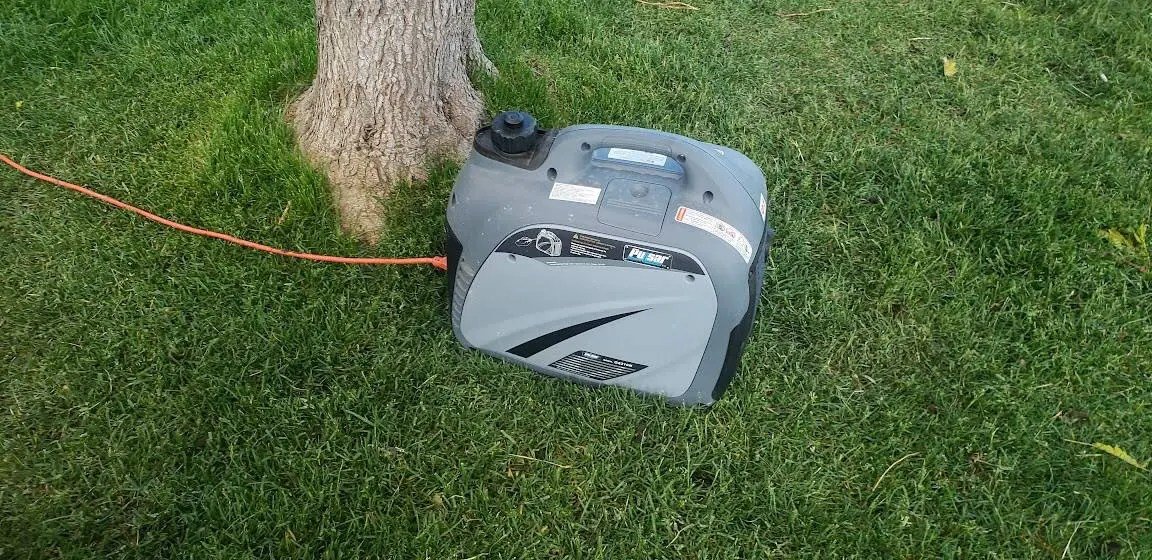
In a world increasingly reliant on uninterrupted power, generators stand as vital lifelines during outages, at job sites, or for off-grid living. Yet, this incredible convenience comes with a profound responsibility: understanding and strictly adhering to Generator Safety & Regulations. Ignoring these crucial guidelines isn't just risky; it can be lethal, leading to silent carbon monoxide poisoning, devastating electrical shocks, or catastrophic fires. This isn't theoretical; these hazards claim lives and cause serious injuries every year.
This comprehensive guide will equip you with the knowledge to operate your generator—whether it's for emergency home backup or a bustling construction site—with the utmost safety and confidence. We’ll cut through the jargon, provide actionable advice, and ensure you’re not just powering your life, but protecting it too.
Quick Glance: Generator Safety Essentials
Before we dive deep, here’s a rapid overview of the non-negotiables:
- Outdoor Operation Only: Generators emit deadly carbon monoxide (CO). Always operate them outdoors, at least 20 feet from any building, with exhaust directed away.
- Proper Connections: Never "back-feed" power into your home's electrical system. Use a certified transfer switch installed by a qualified electrician for home connections.
- Grounding is Key: Ensure your generator is properly grounded to prevent electrocution hazards.
- Fueling with Care: Always shut down and cool the generator before refueling. Store fuel in approved containers, away from ignition sources.
- Heavy-Duty Cords: Use only appropriate, heavy-duty outdoor-rated extension cords with a grounding conductor (three prongs). Inspect them regularly.
- Carbon Monoxide Alarms: Install CO alarms in your home, especially near sleeping areas and on every level.
- Stay Dry: Never operate a generator in wet conditions. Protect it from rain and snow.
- Know Your Standards: Understand relevant OSHA regulations, particularly if operating generators on a worksite.
The Invisible Threat: Understanding Carbon Monoxide (CO) Poisoning
Imagine a gas that can kill you in minutes, yet has no smell, no color, and no taste. That's carbon monoxide (CO), the silent killer produced by internal combustion engines like those in generators. This invisible menace is by far the leading cause of generator-related fatalities, making proper ventilation an absolute, non-negotiable rule.
The Dangers of CO Accumulation
CO works by displacing oxygen in your blood, rapidly starving your organs, including the brain and heart. Initial symptoms—dizziness, headaches, nausea, confusion, and fatigue—are easily mistaken for the flu, but quickly escalate to collapse, unconsciousness, and death. Even short-term exposure to lower levels can cause permanent neurological damage.
OSHA sets a Permissible Exposure Limit (PEL) for CO at 50 parts per million (ppm) averaged over an eight-hour period for workers. However, levels can rise far above this in enclosed spaces, reaching deadly concentrations in moments.
Strict Placement: Your First Line of Defense
To prevent CO poisoning, adherence to strict placement guidelines is paramount:
- Outdoors, Always: Generators must never be operated indoors, in partially enclosed spaces, or in areas like garages, crawl spaces, or basements. This includes situations where doors and windows are open; it’s simply not enough ventilation.
- 20 Feet Away: Position your generator at least 20 feet (roughly three car lengths) away from your home or any other building. This distance helps dissipate exhaust fumes before they can enter through windows, doors, or ventilation systems.
- Direct Exhaust Away: Ensure the generator's exhaust fumes are directed away from any structures, including your own home, your neighbor's house, and any air intakes.
- Clearance for Airflow: Maintain 3 to 4 feet of clear space on all sides of the generator. This isn't just for cooling the unit; it ensures adequate ventilation and prevents heat buildup.
- Monitor Nearby Areas: Even with proper outdoor placement, CO can still drift. Always monitor CO levels in any nearby enclosed areas, especially if windows or doors are open.
The Indispensable Role of Carbon Monoxide Alarms
CO alarms are not a luxury; they are a life-saving necessity. Install battery-operated or battery-backup CO alarms outside each sleeping area and on every level of your home. Treat them like smoke detectors—test them regularly and replace batteries as recommended. When an alarm sounds, evacuate immediately to fresh air and call 911. Remember, CO can kill in as little as 5 minutes, so rapid response is critical. For guidance on selecting the right carbon monoxide detector, consider models with digital displays that show CO levels, offering an early warning before alarm thresholds are met.
If someone exhibits symptoms of CO exposure, move them to fresh air immediately and seek urgent medical attention. Rescuers approaching a potential CO scene should exercise extreme caution, as the environment itself may be dangerously contaminated.
Electrifying Safety: Navigating Power and Connections
Managing the electrical output of a generator is where precision and professional expertise are non-negotiable. Improper electrical connections are a leading cause of generator-related electrocutions and can endanger utility workers.
Grounding and Bonding: Your Protection Against Shocks
Grounding and bonding are fundamental safety principles for any electrical system, including generators. They provide a safe path for fault current, preventing dangerous voltage buildup that could lead to electrocution.
- Bonding: A generator’s frame must be bonded (electrically connected) to all noncurrent-carrying metal parts, such as the fuel tank and engine housing. This ensures that if an electrical fault energizes these parts, they don't become a shock hazard. This is especially critical for "separately derived systems"—generators that stand alone without connection to a utility service.
- Grounding Portable Generators: Portable generators often have internal bonding between the generator frame and the grounding conductor terminals of its receptacles. If a portable generator only supplies equipment mounted on it, or cord-and-plug-connected equipment through its built-in receptacles, it typically does not require a separate grounding electrode (e.g., a ground rod) if the equipment grounding conductor terminals are bonded to the frame.
- Connecting to a Structure: If you intend to connect a portable generator to a structure’s electrical system (e.g., your home), it becomes part of a larger electrical system. In this scenario, it must be connected to an approved grounding electrode system. This absolutely requires a qualified electrician and an approved transfer switch. You can learn more about best practices for home electrical wiring to understand these systems better.
The Peril of "Back-Feeding": A Deadly Connection
One of the most dangerous generator practices is "back-feeding" power. This occurs when a generator is connected directly into a building’s electrical system, usually through a wall outlet, without an approved transfer switch. This practice is strictly prohibited for several critical reasons:
- Electrocution Hazard for Utility Workers: Back-feeding sends electricity backward through the utility lines, potentially energizing lines that utility workers believe are safely de-energized. This is a common cause of electrocution for linemen trying to restore power.
- Generator Damage: It can cause severe damage to the generator itself and the home's electrical system, creating fire hazards.
- Circuit Overload: It bypasses essential safety mechanisms like circuit breakers, leading to overloaded circuits and fire.
The Essential Transfer Switch
For any generator connected to a home or building’s electrical system, an approved transfer switch is mandatory. A transfer switch is a device that safely isolates your home’s electrical system from the utility grid before connecting to the generator, preventing back-feeding. It also prevents your generator from being overloaded by the entire house's electrical demand. Consult a qualified electrician to install an approved manual or automatic transfer switch for your generator. Understanding the importance of a proper transfer switch can't be overstated for home power backup.
Extension Cords: The Lifelines (and Potential Hazards)
When powering individual appliances directly from the generator, use the right extension cords:
- Heavy-Duty & Grounded: All temporary connections must use heavy-duty, outdoor-rated extension cords with a grounding conductor (three-wire flexible cords and three-pronged connectors). Regular household cords are not sufficient.
- Inspect Before Each Use: Before every use, thoroughly inspect cords, plugs, and receptacles for any damage. Look for frayed insulation, exposed wires, bent or missing grounding prongs, and cracks. Damaged cords are electrical hazards and must be replaced immediately.
- Avoid Overload: Ensure the cord's gauge is sufficient for the electrical load and length. An undersized cord can overheat and cause a fire.
- Keep Out of Water: Never run extension cords through standing water or immerse them.
Ground-Fault Circuit Interrupters (GFCIs)
GFCIs are critical safety devices that detect even small imbalances in electrical current—a tell-tale sign of a ground fault, which could indicate a person is being shocked. They quickly cut power to prevent serious injury or death.
- Construction Site Requirement: On construction sites, GFCIs are required for all 120-volt, single-phase, 15- and 20-ampere receptacles that are not part of the permanent wiring.
- General Best Practice: Always use GFCI protection when operating a generator, especially in damp or wet conditions, or when operating power tools. Many modern portable generators come with built-in GFCI outlets.
Operating Without Load and Keeping it Dry
- Start/Stop Unloaded: Always start and stop your generator when no electrical loads are connected. This prevents damage to both the generator and your appliances. Once running, plug in your devices. Before shutting down, unplug everything.
- Stay Dry: Generators produce electricity; water and electricity are a deadly combination. Never operate a generator in wet conditions, rain, or snow. Always keep it dry. If you must operate it in damp weather, do so under an open, canopy-like structure that does not impede airflow or exhaust dissipation, ensuring the generator remains completely dry.
Fueling Your Power Safely: From Tank to Spark
Generators run on highly flammable fuels like gasoline, diesel, or propane. Mishandling these fuels is a common cause of severe burns, explosions, and fires. Fueling and storage safety protocols are non-negotiable.
The Golden Rule: Cool Before You Fuel
Generators, especially the engine and exhaust components, get extremely hot during operation. Fuel vapors are highly volatile and can easily ignite upon contact with a hot surface or a spark.
- Shut Down and Cool: Always shut down the generator completely and allow it to cool down for a significant period (typically 15-20 minutes or longer, depending on ambient temperature and run time) before attempting to refuel. Never refuel a hot or running generator.
- No Smoking, No Flames: Smoking, open flames, or any ignition sources are strictly prohibited in fueling areas. Post conspicuous "No Smoking" signs if you're operating in a workplace setting.
- Clean Up Spills: If fuel spills, clean it up immediately with absorbent materials. Do not start the generator until all spilled fuel and fumes have completely dissipated.
Approved Containers and Storage
Fuel must be stored only in approved containers and portable tanks designed for flammable liquids. These containers are built to safely hold volatile fuels and prevent leaks or explosions.
- Safety Cans: For flammable liquids in quantities of five gallons or less, use approved safety cans. These are typically red, feature a self-closing lid, a flame arrestor, and are designed to prevent spills and safely vent pressure.
- DOT-Approved Containers: For larger quantities or specific fuels, use Department of Transportation (DOT) approved containers. Always check local regulations, as storage limits and container requirements can vary.
- Storage Location:
- Away from Exits: Flammable liquids cannot be stored in areas that block exits, stairways, or impede safe passage.
- Limited Quantities: Not more than 25 gallons of flammable liquids may be stored outside of an approved storage cabinet in a work area. For larger quantities, dedicated, approved storage cabinets or external storage sheds are required.
- Ventilation: Store fuel in a well-ventilated area, away from direct sunlight, heat sources, and any potential ignition sources (including pilot lights, furnaces, water heaters, and electrical appliances that can spark).
- Security: Keep fuel containers out of reach of children and pets.
Fire Extinguisher Readiness
In the event of a fuel-related fire, immediate action is crucial.
- Accessible Extinguisher: The generator operation and fueling area must have at least one fire extinguisher with a minimum rating of 20-B:C readily accessible. This type of extinguisher is effective against flammable liquid (B) and electrical (C) fires.
- Proximity: The extinguisher should be within 75 feet of fueling and service points. Ensure all users know its location and how to operate it.
Navigating the Rulebook: OSHA Standards You Need to Know
For employers and anyone operating generators in a commercial or industrial setting, understanding and complying with OSHA (Occupational Safety and Health Administration) standards isn't just a best practice; it's a legal obligation. OSHA sets mandatory regulations to protect workers from the very hazards we've discussed: electrocution, fire, and carbon monoxide poisoning.
General Industry vs. Construction Standards
The regulatory framework is primarily governed by two main OSHA standards, and it's critical to determine which apply to your situation:
- General Industry Standards (29 CFR Part 1910): These standards apply to fixed facilities such as manufacturing plants, warehouses, office buildings, and permanent generator installations. If a generator is part of a facility's permanent backup power system or used for general operations within a fixed establishment, Part 1910 rules apply.
- Construction Standards (Part 1926): These standards specifically cover temporary power sources used during construction, alteration, or repair work. This includes generators providing power for tools, lighting, or temporary structures on a construction site.
Employer Responsibility: Employers are responsible for determining which standards apply to their specific operations. In some cases, both sets of standards might apply concurrently if, for example, a construction project takes place within an existing industrial facility. Ignorance of the law is not a defense; ensuring compliance is a continuous duty. For comprehensive guidance, you can consult various OSHA compliance guides available directly from the agency.
Training: The Cornerstone of Workplace Safety
Even the most robust regulations are ineffective without proper training. All workers involved in generator setup, operation, and maintenance must receive specific, comprehensive training tailored to the applicable standards' hazards and requirements. This training should cover:
- Hazard Recognition: Identifying potential CO, electrical, and fire hazards.
- Safe Operating Procedures: Correct startup, shutdown, and fueling protocols.
- Emergency Procedures: What to do in case of a CO alarm, electrical incident, or fire.
- Personal Protective Equipment (PPE): When and how to use appropriate PPE.
- First Aid: Basic first aid for common generator-related injuries, especially CO poisoning.
- Maintenance: Routine inspection and maintenance tasks.
Regular refresher training and clear communication of safety policies are also essential to maintain a safety-conscious work environment.
Beyond the Basics: Smart Operating Practices for Every User
While regulations cover the core safety aspects, a few additional smart practices can elevate your generator use from merely compliant to truly safe and efficient.
Regular Maintenance is Non-Negotiable
Just like your car, a generator needs consistent care. Neglecting maintenance not only shortens its lifespan but can also create safety hazards.
- Follow Manufacturer Schedule: Adhere to the manufacturer's recommended maintenance schedule for oil changes, filter replacements (air and fuel), spark plug checks, and general inspections.
- Pre-Use Checks: Before each use, perform a quick visual inspection. Check oil levels, fuel levels, air filter cleanliness, and for any visible damage or leaks.
- Test Run: Start your generator and let it run under a moderate load for 15-30 minutes at least once a month (or as recommended by the manufacturer). This keeps the engine lubricated, the carburetor from gumming up, and ensures it's ready when you need it most.
Secure Placement and Noise Considerations
Generators can be heavy, but they can also vibrate and move. Ensure your generator is placed on a stable, level surface where it cannot tip over. For security and stability, especially in windy conditions, consider securing it.
Generators are also noisy. While noise isn't a direct safety hazard, excessive noise can lead to hearing damage over time in occupational settings and can be a significant nuisance in residential areas. Place the generator as far as practically possible from living spaces and consider noise-reducing enclosures (ensuring they do not impede ventilation or exhaust flow).
Emergency Planning and Awareness
Being prepared means more than just having a generator.
- Emergency Contacts: Keep a list of emergency contacts (fire department, utility company, poison control) readily available.
- First Aid Kit: Have a well-stocked first aid kit nearby, and know how to use its contents.
- Children and Pets: Keep children and pets away from the operating generator. The hot components, moving parts, and electrical connections pose significant risks.
- Adequate Fuel Supply: While not a safety regulation, having enough fuel for an extended outage is crucial. Just ensure that safe fuel storage solutions are strictly followed, storing only what is necessary in approved, climate-controlled conditions.
Common Generator Safety Questions, Answered
Let's address some frequently asked questions that arise when operating generators.
Q: Can I run my generator in the rain?
A: Absolutely not. Operating a generator in wet conditions is extremely dangerous and can lead to electrocution. If you must use it during inclement weather, ensure it is completely protected from rain and snow by an open-sided, canopy-like structure that allows for ample airflow and directs exhaust away from occupied spaces. Never enclose it fully.
Q: How far is 20 feet, really? I have a small yard.
A: Twenty feet is roughly the length of a typical car and a half, or about six large steps. This distance is critical for CO dissipation. If you have a very small yard, you may need to reassess if a generator can be safely operated, potentially exploring alternative power solutions or ensuring neighbors are aware and protected. Compromising on this distance significantly increases CO risk.
Q: What type of extension cord do I need? Are regular orange ones okay?
A: You need heavy-duty, outdoor-rated extension cords that are specifically designed for the electrical load you're powering. These typically have a thicker gauge wire to handle higher amperage without overheating, and they must have three prongs (a grounding conductor). Standard orange household extension cords are usually too light-duty for generator use and lack the necessary insulation and gauge for outdoor, high-power applications, making them a fire and shock hazard. Check the cord's rating to ensure it matches or exceeds your generator's output and the appliance's requirements.
Q: How often should I test my CO alarm?
A: Test your carbon monoxide alarms monthly by pressing the "Test" button. Replace batteries at least once a year, or as recommended by the manufacturer (often when you change your clocks for daylight saving time). Replace the entire unit every 5-7 years, as the sensors have a limited lifespan.
Q: My generator has a GFCI outlet. Does that mean I don't need to worry about electrical shocks?
A: While GFCI outlets provide a vital layer of protection against ground faults, they are not a substitute for proper grounding, safe wiring, and adherence to all other electrical safety practices. GFCIs mitigate the risk of severe shock from certain types of faults, but they won't protect against all hazards, such as direct contact with both live and neutral wires, or hazards from ungrounded components. Always follow comprehensive electrical safety guidelines.
Your Power, Your Responsibility: Taking Action
Generators are powerful tools, providing essential electricity when the grid fails. But with great power comes great responsibility. The regulations and safety practices outlined in this guide are not suggestions; they are life-saving mandates. From the silent threat of carbon monoxide to the invisible danger of electrical shock and the immediate hazard of fuel fires, each safety measure plays a crucial role in protecting you, your family, your workers, and your property.
Take the time to understand your generator, its requirements, and the specific hazards it presents. Invest in the right accessories—carbon monoxide alarms, approved fuel containers, and heavy-duty cords. If you plan to connect a generator to your home's electrical system, always engage a qualified electrician to install an approved transfer switch. Never compromise on safety. By integrating these practices into your generator use, you ensure reliable power without inviting unnecessary danger. If you're looking for robust and reliable options, you might want to Explore the Sportsman Generator line to find a model that fits your needs while prioritizing safety.
Stay vigilant, stay informed, and stay safe.